Phocas Seeds is a small-scale seed company focused on heirloom, open-pollinated varieties for growers in the Northeast and beyond. Since 2019, they’ve produced regionally adapted seeds using organic and regenerative practices, with much of their work rooted in Connecticut and supported by partner farms across the eastern U.S. Guided by a spirit of generosity and stewardship, Phocas Seeds emphasizes sustainability, community, and growing with intention.
1. What first got you interested in cannabis breeding, and what were your earliest projects like?
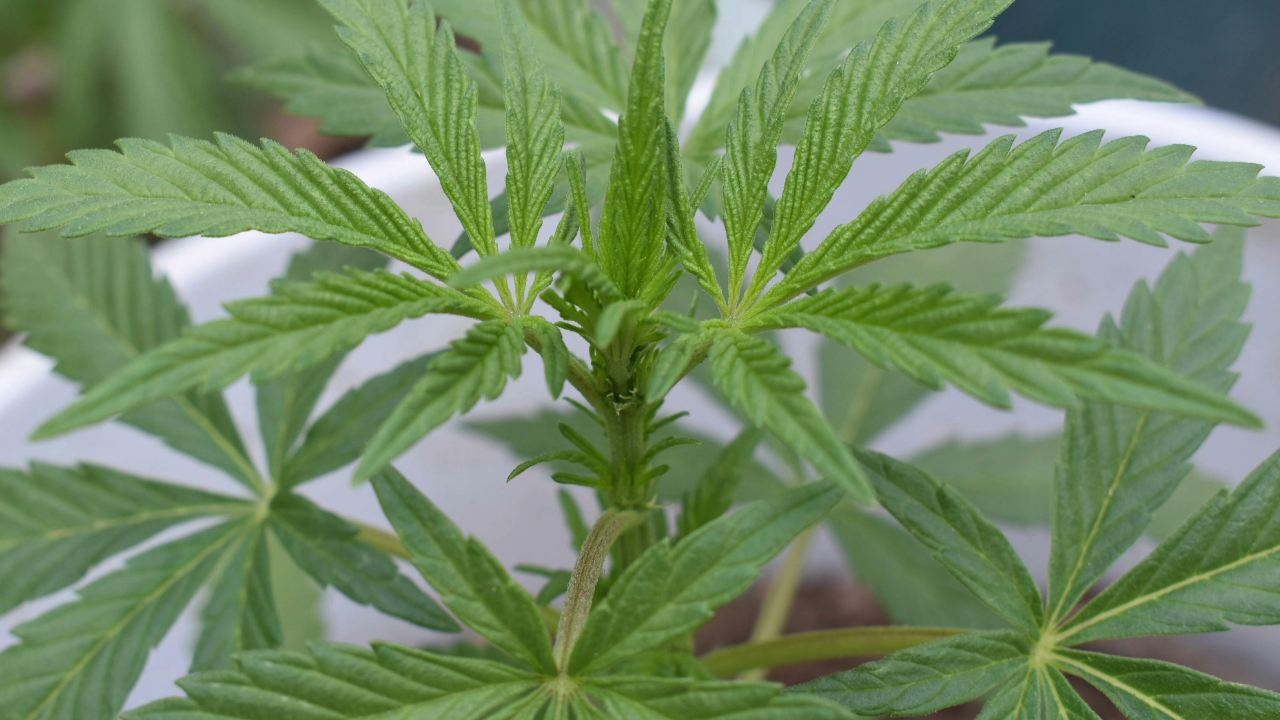
I first got interested in breeding right as I was starting my seed company. At the time, I owned a vegetable farm and was saving my own veggie seeds, while also growing cannabis on the side. My first breeding projects were feminized autoflowers and regular photoperiod plants. Autoflower selection was pretty limited back then, and I wanted to be able to produce my own seed stock.
2. What traits do you personally prioritize most when selecting parent plants?
Flower structure, size and growth habit, uniformity, and terpene profile.
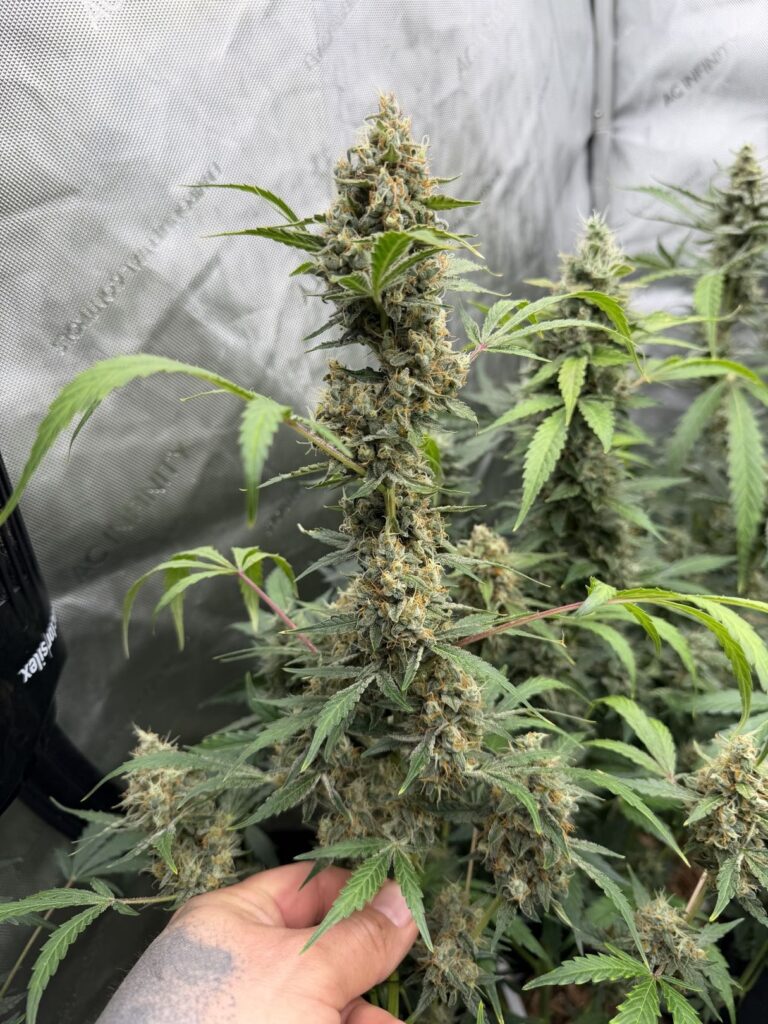
3. Can you walk us through your typical breeding process from selecting parents to releasing a line?
The process changes a bit depending on whether it’s a regular, feminized, photoperiod, or autoflower line.
Generally:
Phase one is selecting the traits and types of plants I want to work with.
Phase two is making the cross or crosses.
Phase three is growing out the F1 generation and seeing if any plants match the desired traits.
Phase four is locking those traits in through backcrossing, creating an IBL, or outcrossing to make a true F1 hybrid, depending on the project.
Phase five is evaluation. Growing out larger populations indoors and outdoors, stress testing, sharing with other growers for feedback, and preforming a germination test.
If the line holds up through all that, it gets released.
4. How many generations do you usually run before you feel a line is stable enough to release?
Anywhere from F1 to F5+, depending on the project and the plants. Generally, it takes me about 2–3 years to release a cultivar.
5. What cultivar or project are you most proud of creating so far?
It’s like picking a favorite kid, but I’ve gotten a lot of positive feedback on Podunk Express, which is still unreleased.
6. What trends in cannabis genetics excite you right now?
The increasing ability for smaller growers to access cannabinoid and terpene testing.
RELATED: 10 Questions With Alebrije Genetics
7. What mistakes do you see new breeders making?
Crossing hype clones and not testing lines thoroughly before release. There’s a big push for novelty, constantly putting out new cultivars just to stay relevant as a brand or breeder.
8. If someone wanted to start breeding today, what advice would you give them?
Learn how to grow other annual plants and plants in general, especially outdoors. Study basic genetics and plant breeding science.
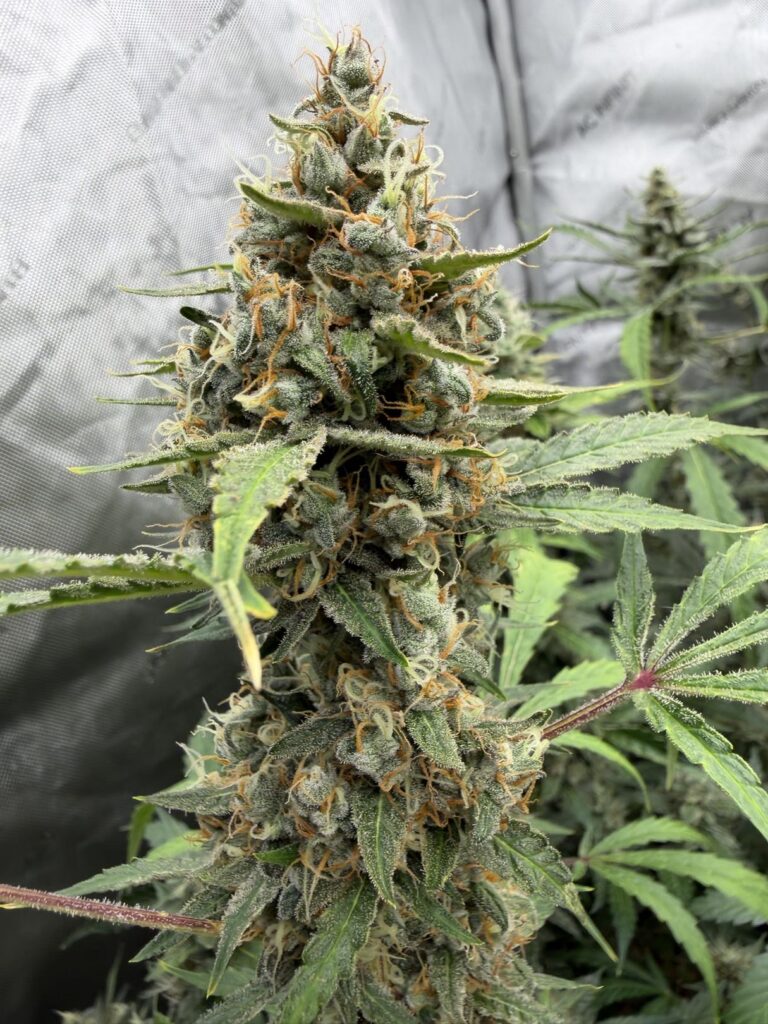
9. What is your best tip for new growers of any kind?
Grow as much as you can, but don’t take on too much either.
10. Where would you like to see the state of cannabis in 5 to 10 years?
I’d like to see more small- to mid-scale professional breeders and cultivators, along with markets that function more like established agricultural systems, for both seed and finished cannabis products.
Where To Find Phocas Seeds
Phocas Seeds’ Official Website